
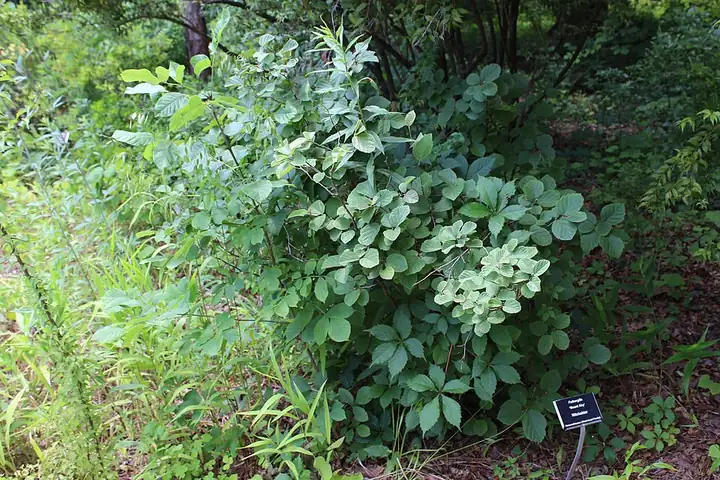
Fothergilla
Fothergilla gardenii (dwarf fothergilla), F. major (large fothergilla) and hybrids such as 'Mount Airy' · Witch-hazel family (Hamamelidaceae)
| Hardiness zones | 4 to 8 |
|---|---|
| Sun | full sun to part shade |
| Water | moderate |
| Life cycle | perennial |
| Frost | Hardy: takes frost |
About Fothergilla
Fothergillas are native Southeastern shrubs with honey-scented, bottlebrush-like white flowers in April and May and some of the best fall color of any shrub: yellow, orange and scarlet, often on the same plant. Dwarf fothergilla comes from wet coastal plain savannas and bogs, and large fothergilla from the southern mountains (NC State). NC State reports no significant pest problems.
Large fothergilla is hardy in zones 4-8 and dwarf fothergilla in zones 5-8 (NC State).
When to plant
Timing is counted from your average last spring frost (and first fall frost). Sow & Tell works out the actual dates for your ZIP code.
Plant container shrubs in spring or fall and water deeply until established (UMN). Flowers and fall color are best in sun, but the plant appreciates afternoon shade (NC State).
Soil
Moist, acid, well-drained soil rich in organic matter; it tolerates wet spots, occasional flooding and compaction (NC State).
Test the soil before planting; mature shrubs in decent soil need little or no fertilizer (Clemson).
Feeding
- Spring to early summer after new growth starts, only if a soil test shows a need: slow-release complete fertilizer in a 3:1:2 ratio, or what the soil test calls for. Spread evenly from the trunk out to the drip line and water it in; a typical soil-test rate for shrubs is about 2 lb of 12-6-6 per 100 sq ft (Clemson). Follow a soil test.
Water is what new shrubs need most: daily for the first 2 weeks, every 2-3 days through week 12, then weekly until the roots spread (at least two growing seasons), using about a quarter to a third of the nursery pot's volume each time (UMN). Too much fertilizer burns roots and pushes leaves at the expense of flowers; don't feed drought-stressed shrubs (Clemson).
Harvest
Blooms April to May as or just before the leaves open. Remove suckers if you don't want the shrub to spread (NC State).
Varieties (4)
NC State documents only a few cultivars.
| Variety | Type | Days | Notes |
|---|---|---|---|
| Blue Mist | Dwarf fothergilla | 2-3 ft; blue leaves, less showy fall color. | |
| Beaver Creek | Dwarf fothergilla (F. gardenii) | 2-3 ft; bright yellow to red fall color. | |
| Mount Airy | Fothergilla cultivar | NC State names it as a less problematic substitute for burning bush and Japanese barberry. | |
| Blue Shadow | Large fothergilla (F. major) | Upright, 4-6 ft, slow growing; blue leaves. |
In the kitchen
Safety: No toxicity is listed in the extension sources we used.
Pets: Not on the ASPCA toxic plant lists.
Sources
- plants.ces.ncsu.edu
- plants.ces.ncsu.edu
- extension.umn.edu
- aspca.org
- aspca.org
- extension.rutgers.edu
- hgic.clemson.edu
Photo: Photo: Hameltion / Wikimedia Commons, CC BY-SA 4.0 (CC BY-SA 4.0). Photo resized for the web.

Planting dates and advice are general guidance; check with your local Cooperative Extension office for your area.