
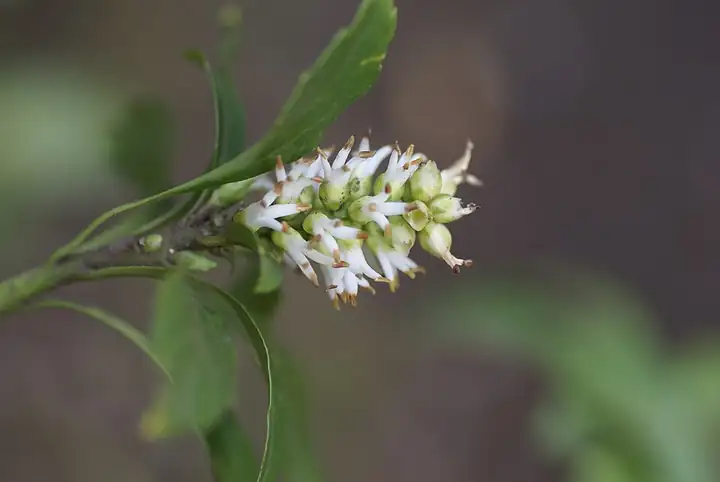
Pachysandra (Japanese spurge)
Pachysandra terminalis (Japanese pachysandra); native Allegheny spurge is P. procumbens · Boxwood family (Buxaceae)
| Hardiness zones | 4 to 9 |
|---|---|
| Sun | part shade |
| Water | moderate |
| Life cycle | perennial |
| Frost | Hardy: takes frost |
| Spacing | 6 to 12 inches |
About Pachysandra (Japanese spurge)
Japanese pachysandra is a low evergreen groundcover for shade that spreads by rhizomes into a solid carpet. It spreads aggressively and is hard to remove once settled (NC State), and the Morton Arboretum also warns it may grow aggressively. The native Allegheny spurge (P. procumbens) is a slower, non-invasive choice with fragrant pink-white spring flowers (NC State).
Japanese pachysandra zones 4-9 (NC State). It spreads aggressively and is hard to get rid of; NC State suggests the native Allegheny spurge instead.
When to plant
Timing is counted from your average last spring frost (and first fall frost). Sow & Tell works out the actual dates for your ZIP code.
Set plants 6-12 inches apart; a groundcover takes about 3 years to fill in (NC State). Plant in shade out of winter sun and wind, which burn the leaves where snow cover is thin (Morton Arboretum).
Soil
Moist, well-drained, acidic soil rich in organic matter; it takes alkaline soil, but leaves bleach in sun or wind (NC State, Morton Arboretum).
Moist, well-drained, acidic soil rich in organic matter (NC State).
Feeding
Keep new beds watered; it does not tolerate drought (Morton Arboretum). Avoid overhead watering and thin crowded beds to slow leaf blight (NC State).
Varieties (4)
NC State and the Morton Arboretum document these; the native Allegheny spurge has no named cultivars in our sources.
| Variety | Type | Days | Notes |
|---|---|---|---|
| Green Carpet | Japanese pachysandra | Low, neat, uniform mat of waxy dark green leaves. | |
| Green Sheen | Japanese pachysandra | Very glossy leaves; more heat tolerant; slow growing. | |
| Variegata | Japanese pachysandra | White-edged leaves; much slower growing. | |
| Allegheny spurge | P. procumbens (native species) | Native alternative; fragrant pink-white spring flowers; not invasive. |
Pests to watch for
Euonymus scale
Diseases and problems
Volutella blight, Root rot, Boxwood blight
In the kitchen
Pets: Not listed as toxic by the ASPCA.
Sources
- plants.ces.ncsu.edu
- plants.ces.ncsu.edu
- mortonarb.org
- extension.rutgers.edu
- extension.rutgers.edu
- aspca.org
Photo: Photo: Rolf Engstrand / Wikimedia Commons, CC BY-SA 3.0 (CC BY-SA 3.0). Photo resized for the web.

Planting dates and advice are general guidance; check with your local Cooperative Extension office for your area.