
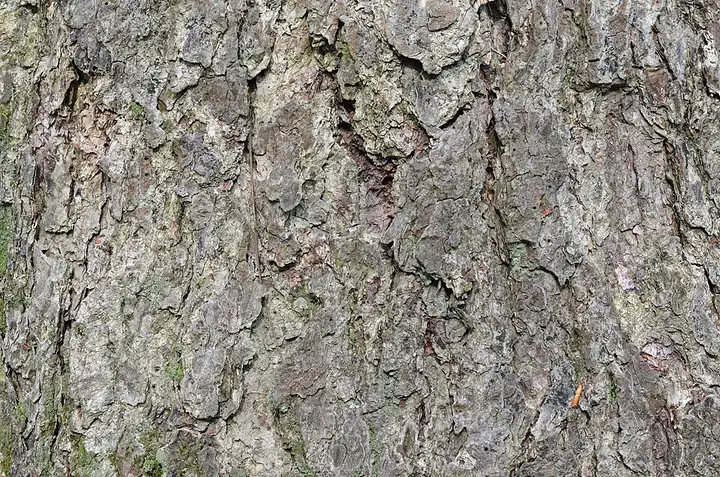
River birch
Betula nigra · Birch family (Betulaceae)
| Hardiness zones | 4 to 9 |
|---|---|
| Sun | full sun to part shade |
| Water | high |
| Life cycle | perennial |
| Frost | Hardy: takes frost |
About River birch
River birch is a fast-growing native birch of riverbanks, often grown with several trunks, with peeling salmon, tan and cream bark that stands out all winter. It is the most heat-tolerant birch and resists the bronze birch borer that kills many other birches. It handles wet soil and flooding but drops lots of twigs.
Zones 4-9 (NC State); one of the few birches that does well in the South.
When to plant
Timing is counted from your average last spring frost (and first fall frost). Sow & Tell works out the actual dates for your ZIP code.
Plant container or balled-and-burlapped trees. Container trees can go in any time the ground can be worked, but fall is the best season in the South because roots keep growing through mild weather (Clemson). Dig the hole no deeper than the root ball and at least twice as wide, keep the top roots level with the soil, and mulch 2-4 inches without touching the trunk. Keep the soil evenly moist; soaker hoses and bark mulch help. Don't plant it right by the house, where falling twigs clog gutters. Prune in late summer or early fall, not in late winter or spring, when cuts bleed sap heavily.
Soil
Moist, acidic to neutral soil of clay, loam or sand; tolerates flooding and brief dry spells, but sheds inner leaves in summer drought (NC State).
Test the soil first. Loosen a wide planting area and mix 10-20 percent compost into the native soil you dig out; don't use uncomposted bark, and don't dig deeper than the root ball (Clemson).
Feeding
- Spring to early summer, after the tree is established, and only if a soil test or pale leaves and weak twig growth show a need: slow-release nitrogen fertilizer with a ratio near 3-1-1 or 3-1-2 (3-0-1 or 3-0-2 if the soil test shows enough phosphorus). Spread it evenly from just outside the trunk flare to the dripline and water it in. Clemson cites 2-4 lb of slow-release nitrogen per 1,000 sq ft per year, split into a spring and a late-summer feeding; follow your soil test.
- Late summer to early fall, the second half of the year's split feeding (only if a soil test calls for it): slow-release nitrogen fertilizer, same as spring. Apply the rest of the year's amount over the root zone and water in. Don't feed a drought-stressed tree in summer (Clemson).
First-year watering matters far more than fertilizer: water daily for the first 1-2 weeks, every 2-3 days until week 12, then weekly, using about 1-1.5 gallons per inch of trunk diameter, until the tree is established, roughly 1.5 years per inch of trunk (UMN). Don't count on rain unless it was over an inch. Keep the soil steadily moist with soaker hoses and bark mulch; drought makes it drop inner leaves. Prune only when dormant (NC State). Too much fertilizer can burn roots and push soft growth that pests and cold injure (Clemson).
Varieties (6)
NC State documents 6 cultivars.
| Variety | Type | Days | Notes |
|---|---|---|---|
| Fox Valley ('Little King') | Dwarf | Dense dwarf, about 10 ft tall and 12 ft wide; good for hedges. | |
| Dura Heat ('BNMTF') | Heat-tolerant | Somewhat smaller; creamy white bark, heat tolerant, pest and disease resistant. | |
| Heritage ('Cully') | Standard | Vigorous, medium size; salmon bark peeling to white inner bark; single or multi-trunk. | |
| Northern Tribute ('Dickinson') | Standard | Upright, rounded; ivory bark peeling to copper-bronze; borer resistant. | |
| Shiloh Splash | Variegated | Upright with variegated leaves. | |
| Summer Cascade | Weeping | Weeping form. |
Pests to watch for
Aphids, Leafminers, Lace bugs (azalea and chrysanthemum lace bugs), Sawflies (garden sawflies), Eriophyid mites (rust, bud, blister and gall mites), Asian longhorned beetle, Winter moth, Cankerworms (fall and spring cankerworms)
Diseases and problems
Leaf spot, Drought stress, Winter injury, Mechanical damage (mower, trimmer and tie wounds)
In the kitchen
Pets: Not on the ASPCA's toxic plant list for dogs.
Sources
Photo: Photo: Derek Ramsey (Ram-Man) / Wikimedia Commons, CC BY-SA 4.0 (CC BY-SA 4.0). Photo resized for the web.

Planting dates and advice are general guidance; check with your local Cooperative Extension office for your area.