
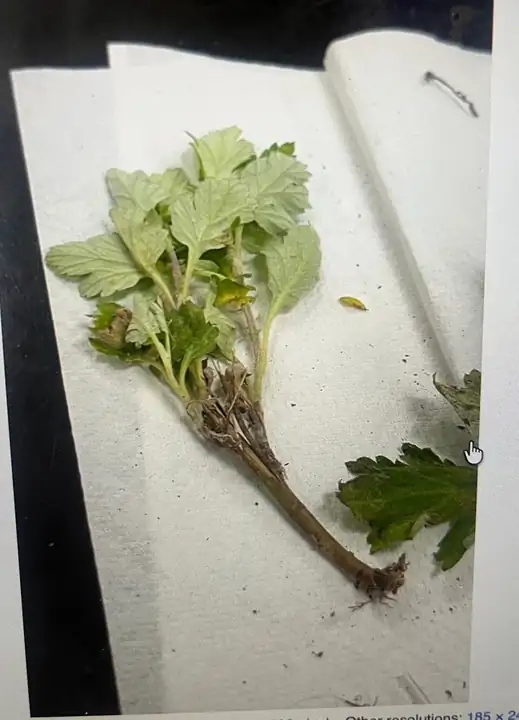
Stinging nettle
Urtica dioica
| Type | Broadleaf |
|---|---|
| Life cycle | Perennial |
| Family | Nettle family (Urticaceae) |
| Origin | Native and introduced forms |
| Most common in | Midwest, Pacific Northwest |
About
Stinging nettle is a tall perennial covered in stinging hairs that forms dense patches from creeping roots. A brush against it gives a burning, itching sting, so it's worth recognizing before you weed a shady, damp corner.
Also called common nettle, nettle
How to identify it
Look for
Stems are square, 2 to 9 feet tall, and bristle with stinging hairs, as do the leaves. Leaves are opposite, egg-shaped with a heart-shaped base, a pointed tip and coarse saw-tooth edges, 1 to 6 inches long. Tiny greenish or whitish flowers hang in clusters where the leaves join the stem.
Where it grows
Moist, rich soil along streams, ditches, meadows, woodland clearings, shady yard edges and disturbed ground.
When
Shoots come up in spring and plants flower in spring and summer.
How it spreads
By creeping rhizomes that form dense colonies, and by seed.
Most common in
| Northeast | Common here |
|---|---|
| Southeast | Occasional here |
| South Central | Occasional here |
| Midwest | Very common here |
| Great Plains | Common here |
| Mountain West | Common here |
| Southwest | Occasional here |
| Pacific Northwest | Very common here |
| California | Common here |
| Alaska | Common here |
| Hawaii | Not found here |
What to do, gentlest first
Protect yourself first. Weed killers are a last step; always read and follow the label.
Mow and keep turf thick Prevent
Healthy lawn mowed at the right height keeps it out, and mowing patches before they seed stops new plants.
Dig out patches with gloves By hand
Dig out young plants and the creeping roots while the patch is small, and keep cutting regrowth.
Wear thick gloves and long sleeves.
Spot spray Conventional spray
In beds, spot-treat with glyphosate; in lawns, a 2,4-D plus MCPP plus dicamba product can be used.
Read and follow the label; many lawn and brush herbicides also kill garden plants. Use glyphosate as a spot treatment only.
Uses, wildlife and pets
Edible?
Young shoots are eaten as a cooked green: boiling them for about 5 minutes removes the sting. Pick with gloves, be sure of the ID, and never from sprayed areas.
Not 100% sure? Don't eat it. Never pick from ground that may have been sprayed, or along roads and railways.
For wildlife
It is a caterpillar host plant for red admiral, painted lady, eastern comma and question mark butterflies.
Pets
Not listed by the ASPCA.
Sources
- plants.ces.ncsu.edu
- hortsense.cahnrs.wsu.edu
- poison.org
- plantsservices.sc.egov.usda.gov
- aspca.org
- aspca.org
Photo: Photo: Matildalove12 / Wikimedia Commons, CC0 (CC0). Photo resized for the web.

Planting dates and advice are general guidance; check with your local Cooperative Extension office for your area.