
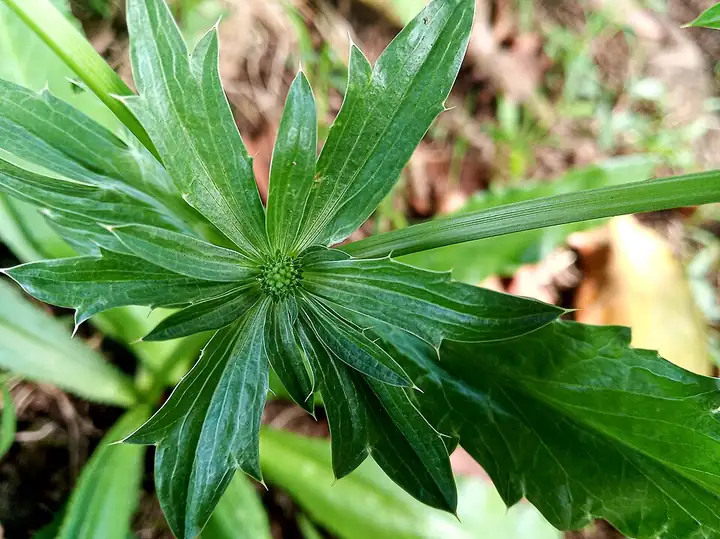
Culantro
Eryngium foetidum · Carrot family (Apiaceae)
| Hardiness zones | 9 to 11 |
|---|---|
| Sun | part shade |
| Water | moderate |
| Life cycle | biennial |
| Frost | Tender: killed by frost |
About Culantro
Culantro is a tropical herb with long, tough, saw-toothed leaves that smell like cilantro but taste stronger. It is a cousin of cilantro, not the same plant: cilantro likes cool weather, while culantro thrives in summer heat and shade, making it a summer stand-in. It is a key herb in Caribbean and Central American cooking, where Puerto Ricans call it recao.
No source we opened gives a hardiness zone range for culantro; the 9-11 range shown is our estimate for a tropical herb, so treat it as a guide. UF/IFAS describes it as a warm-season biennial herb grown in Florida in pots or in the ground; elsewhere grow it as a summer plant.
When to plant
Timing is counted from your average last spring frost (and first fall frost). Sow & Tell works out the actual dates for your ZIP code.
Usually started from seed, which takes about three weeks to sprout (UF/IFAS). Plant in shade and keep it well watered: shade helps keep it from bolting, and plants in the ground give a longer harvest than potted ones (UF/IFAS).
Soil
Moist, well-drained soil; it is moderately salt tolerant (UF/IFAS).
Choose a shady spot with moist, well-drained soil; no fertilizer rates are published for home gardens.
Feeding
Full sun and dry soil make it bolt; once it flowers, the leaves are no longer good for cooking.
Harvest
Pick leaves any time, taking the oldest ones from the base and leaving the young ones to grow. Once it bolts and makes cream-colored flower stalks, the leaves are no longer good for cooking (UF/IFAS).
Pick the oldest leaves at the base and let the young ones grow; keeping it shaded and watered delays flowering, and in-ground plants keep producing longer than potted ones.
In the kitchen
Chop the tough leaves finely for sofrito, salsa, chutney, ceviche, sauces, rice, soups and stews (UF/IFAS).
Keeping it: Leaves don't keep well, so pick only what you need; chop and freeze extra to hold the flavor.
Safety: The UF/IFAS sources we checked give no safety warnings for culantro as a food herb, and we found no NIH or MSKCC review of it. Its flavor is much stronger than cilantro's, so use less.
Pets: Not listed by the ASPCA
Sources
Photo: Photo: Filo gèn' / Wikimedia Commons, CC BY-SA 4.0 (CC BY-SA 4.0). Photo resized for the web.

Planting dates and advice are general guidance; check with your local Cooperative Extension office for your area.