
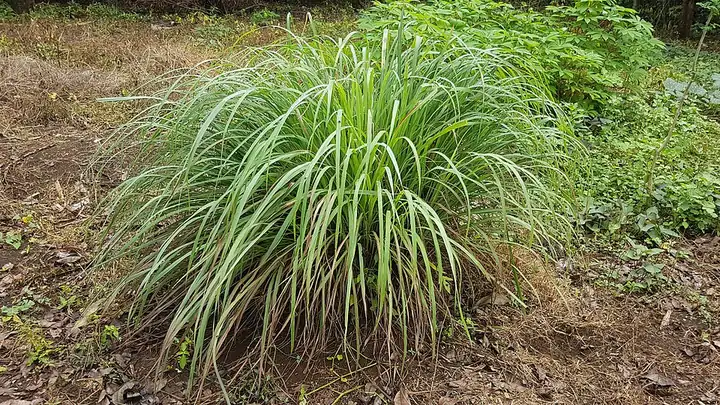
Lemongrass
Cymbopogon citratus · Grass family (Poaceae)
| Hardiness zones | 8 to 11 |
|---|---|
| Sun | full sun to part shade |
| Water | moderate |
| Life cycle | tender perennial (grown as an annual) |
| Frost | Tender: killed by frost |
| Spacing | 12 to 36 inches |
About Lemongrass
Lemongrass is a tall tropical grass whose lemony stalks are a staple of Thai and Vietnamese cooking. It grows fast in summer heat and is easy to start from stalks bought at the grocery store.
NC State lists zones 8b-11, and Clemson notes it is hardy near the South Carolina coast (zones 9-10). In colder areas, move it indoors to bright light before frost (Illinois).
When to plant
Timing is counted from your average last spring frost (and first fall frost). Sow & Tell works out the actual dates for your ZIP code.
Grow from divisions or stem cuttings; grocery store stalks often root (Illinois). In cold areas it does well in a pot that can come indoors for winter; feed about every two weeks in summer (Illinois).
Soil
Well-drained soil kept moist but not soggy, since overwatering causes root rot.
Grow in moist, well-drained soil; in pots use a potting mix and pots with good drainage holes.
Feeding
- about every two weeks through the summer growing season: general-purpose liquid fertilizer. Feed about every two weeks while it grows outdoors, and feed less often when it is kept indoors over winter.
Harvest
Cut stalks at ground level, trim off the base and tough outer leaves, and use the tender white lower part of the stem; leaves can also be used (UF/IFAS; Illinois).
Cut leaves and stalks as needed through the season; the tender white base of the stalk is the best part. Before frost, move the plant indoors to very bright light for winter.
Varieties (1)
No named lemongrass cultivars were found in extension sources; NC State, Illinois and UF describe only the species Cymbopogon citratus.
| Variety | Type | Days | Notes |
|---|---|---|---|
| Lemongrass | Lemongrass (Cymbopogon citratus) | Lemon-scented leaves and stalks. Clumping tropical grass with long, slender leaves, 2-4 ft tall. |
Diseases and problems
Root and crown rot
In the kitchen
Stalks and leaves flavor soups, curries, sauces, fish and tea; large pieces can be simmered and removed like bay leaves.
Keeping it: Keep cut stalks wrapped in the fridge for a few days, or freeze whole stalks in a bag for several months.
Safety: Drinking it can cause dizziness, drowsiness, dry mouth and frequent urination, too much tea may affect the kidneys, high doses of the essential oil can harm the liver and stomach lining, and the essential oil can cause skin rashes. Because compounds in lemongrass caused birth defects in rats, MSKCC says it may be wise to avoid it during pregnancy; tell your doctor about any herbs you take.
Pets: Toxic to dogs, cats and horses (ASPCA): essential oils and cyanogenic glycosides cause stomach upset in dogs and cats, and in horses can rarely cause trouble breathing, weakness or death
Sources
- plants.ces.ncsu.edu
- extension.illinois.edu
- gardeningsolutions.ifas.ufl.edu
- hgic.clemson.edu
- mskcc.org
- aspca.org
Photo: Photo: Obsidian Soul, CC0, via Wikimedia Commons (CC0). Photo resized for the web.

Planting dates and advice are general guidance; check with your local Cooperative Extension office for your area.