
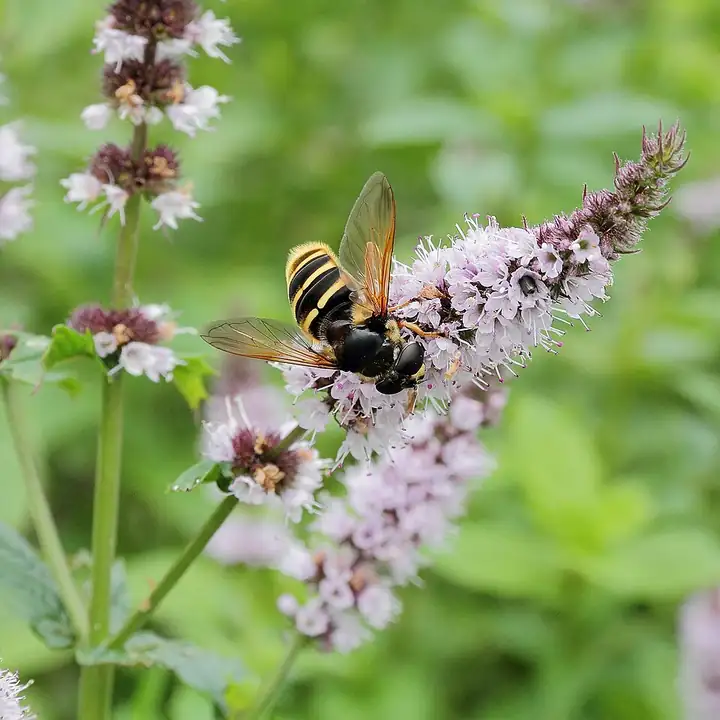
Mint
Mentha species (peppermint Mentha x piperita, spearmint M. spicata) · Mint family (Lamiaceae)
| Hardiness zones | 4 to 9 |
|---|---|
| Sun | full sun to part shade |
| Water | moderate |
| Life cycle | perennial |
| Frost | Hardy: takes frost |
| Soil pH | 6.0–7.0 |
| Spacing | 18 inches |
About Mint
Mint is a hardy perennial with square stems and strongly scented leaves used for tea and cooking. It spreads fast by underground runners, so most gardeners grow it in a pot or a sunken container.
NC State lists spearmint as hardy in zones 4-9 and peppermint in zones 5-9; tops die back in winter and regrow from the roots.
When to plant
Timing is counted from your average last spring frost (and first fall frost). Sow & Tell works out the actual dates for your ZIP code.
Peppermint rarely sets seed, so start from divisions or stem cuttings in spring. To keep it from taking over, plant it in a 12-16 inch pot.
Soil
Rich, moist soil with good drainage; it needs at least three hours of sun a day.
Follow a soil test and work any fertilizer it calls for into the top 6 inches; add no more than 1 inch of well-rotted compost per 100 sq ft. Mint likes rich, moist, slightly acidic soil.
Feeding
- early spring, as growth starts again: complete slow-release fertilizer such as 16-16-16. Work about 1 tsp per plant into the soil around it and water it in; one spring feeding is enough.
Too much fertilizer and water encourage rust and wilt disease and lower mint oil (flavor).
Harvest
Pinch branch tips often; it makes the plant bushier and gives you more leaves to use fresh or dried.
Pick stems as needed; for drying, cut as flowering begins. Shearing off the late-summer flower spikes brings a new flush of leafy growth.
Varieties (13)
Extension sources name about 13 mint species and types but describe few named cultivars ('Kentucky Colonel' is the only true cultivar with a description). Flavor varies a lot between mints, and most spread aggressively by runners.
| Variety | Type | Days | Notes |
|---|---|---|---|
| Pineapple mint | Apple mint (Mentha suaveolens 'Variegata') | Mild, sweet, fruity pineapple-like scent. Fuzzy, crinkled leaves edged in cream; 2-3 feet tall and spreading. All-green shoots are more vigorous and should be pulled so it doesn't revert. | |
| Apple mint | Apple mint (Mentha suaveolens) | Soft, fuzzy leaves; the species is also called woolly mint. | |
| Corn mint (field mint) | Corn mint (Mentha arvensis) | Used in teas and grown commercially for its oil. | |
| Corsican mint | Corsican mint (Mentha requienii) | A very dwarf, creeping mint. | |
| Ginger mint | Ginger mint (Mentha x gracilis, also listed as M. x gentilis) | Culinary mint also called redmint. | |
| Horsemint | Horse mint (Mentha longifolia) | A culinary mint and one of the wild ancestors of garden mints. | |
| Peppermint | Peppermint (Mentha x piperita) | Warm, spicy scent with a candy-cane flavor. About 2 feet tall with dark green leaves, reddish stems and purplish flower spikes; spreads fast by runners. | |
| Chocolate mint | Peppermint form | ||
| Kentucky Colonel | Spearmint | Spearmint selection noted by NC State for its superior foliage. | |
| Spearmint | Spearmint (Mentha spicata) | Sweet mint scent; the traditional mint for mint juleps, mint tea and mint sauce. Pointed, slightly crinkled leaves, lighter green than peppermint; one of the easiest mints to grow. | |
| Water mint | Water mint (Mentha aquatica) | Used in teas; one of the parents of peppermint. | |
| Orange mint | A hardy perennial mint. | ||
| Red raripila mint | Listed by Utah State as a culinary mint. |
Pests to watch for
Leafhoppers, Four-lined plant bug, Garden symphylan
Diseases and problems
Rust, Leaf spot, Impatiens necrotic spot
In the kitchen
Leaves and flowers flavor teas, drinks, salads and many dishes.
Keeping it: Stand stems in a glass of water for 3 to 7 days, or wrap dry leaves in plastic and refrigerate for about a week.
Safety: Peppermint oil taken by mouth can cause heartburn, nausea, belly pain and dry mouth, and it should never be put on the face of babies or young children, because breathing in the menthol can cause serious side effects (NCCIH). Food amounts are likely safe in pregnancy, but there is too little safety data on medicinal doses.
Pets: Toxic to dogs, cats and horses (ASPCA, garden mint, Mentha species): essential oils can cause vomiting and diarrhea if a lot is eaten
Sources
- plants.ces.ncsu.edu
- lcme.wsu.edu
- nccih.nih.gov
- aspca.org
- plants.ces.ncsu.edu
- digitalcommons.usu.edu
- extension.umd.edu
Photo: Photo: C T Johansson, CC BY-SA 3.0, via Wikimedia Commons (CC BY-SA 3.0). Photo resized for the web.

Planting dates and advice are general guidance; check with your local Cooperative Extension office for your area.