
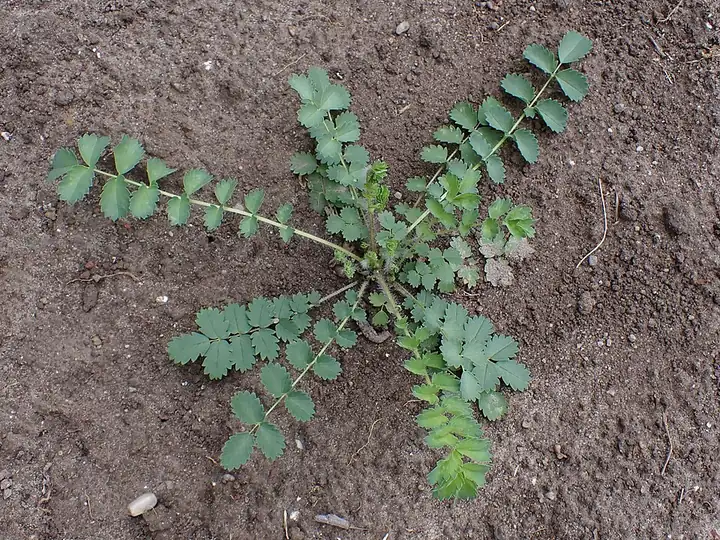
Salad burnet
Sanguisorba minor · Rose family (Rosaceae)
| Hardiness zones | 4 to 8 |
|---|---|
| Sun | full sun |
| Water | moderate |
| Life cycle | perennial |
| Frost | Hardy: takes frost |
About Salad burnet
Salad burnet is a pretty, low mound of lacy, round-toothed leaves that taste like cucumber, with small, round, pinkish-green flower heads on tall stalks in summer (NC State, Illinois). It is an easy, hardy perennial that stays green into winter in many places, and it also gets planted on western rangelands as forage for wildlife (USDA NRCS, Forest Service). It reseeds freely, so snip off flowers if you don't want volunteers.
NC State lists zones 4-8. It is introduced from Europe and very rarely invasive; the Forest Service found no state noxious-weed listings.
When to plant
Timing is counted from your average last spring frost (and first fall frost). Sow & Tell works out the actual dates for your ZIP code.
Sow seed in spring or fall, or divide clumps; divide every 3-4 years to keep plants vigorous (Illinois).
Soil
Average, well-drained garden soil; it grows wild on dry, lean chalk and limestone grassland and handles acid to alkaline soil, and it tolerates dry soil once established (NC State, Illinois).
Average, well-drained garden soil is fine; it grows wild on lean, dry grassland and needs little feeding.
Feeding
- Early spring, as new growth starts (established plants): compost and a light amount of balanced fertilizer such as 10-10-10. Work a little compost and balanced fertilizer into the soil around the plants; most herbs need only moderate feeding, so follow a soil test.
Don't let it flower and seed freely, or it gets weedy and the leaves turn tough and bitter; divide clumps every 3-4 years.
Harvest
Pick young, tender leaves; older leaves turn tough and bitter. Cutting the plant back and removing flowers brings fresh new leaves (Illinois, NC State).
Pick young leaves often and cut the plant back; removing flowers keeps tender new leaves coming, since older leaves turn tough and bitter.
Varieties (1)
Only one named variety is documented, a USDA release bred for range seeding; Extension herb guides name none for kitchen gardens.
| Variety | Type | Days | Notes |
|---|---|---|---|
| Delar | USDA range release | Lush, bright green plant that gave the most forage and seed in Idaho trials and was the most cold tolerant of the strains tested. |
In the kitchen
The nutty, cucumber-like young leaves go fresh into salads, soups, herb butter, cream cheese or cottage cheese, vinegars and cool drinks, or serve as a garnish; the flowers are edible too (Illinois, NC State, NMSU).
Keeping it: Best used fresh: pick young leaves just before you need them.
Safety: A food herb with no warnings in the Extension sources we checked; as with any new green, try a little first if you have plant allergies.
Pets: Non-toxic to dogs, cats and horses (ASPCA).
Sources
- plants.ces.ncsu.edu
- extension.illinois.edu
- pubs.nmsu.edu
- nrcs.usda.gov
- fs.usda.gov
- aspca.org
- fieldreport.caes.uga.edu
Photo: Photo: Krzysztof Ziarnek, Kenraiz, CC BY-SA 4.0, via Wikimedia Commons (CC BY-SA 4.0). Photo resized for the web.

Planting dates and advice are general guidance; check with your local Cooperative Extension office for your area.