
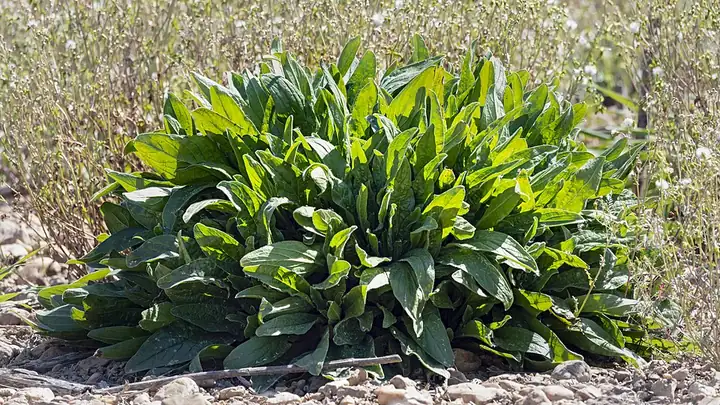
Sorrel
Rumex acetosa (garden sorrel) and Rumex scutatus (French sorrel) · Buckwheat family (Polygonaceae)
| Hardiness zones | 4 to 9 |
|---|---|
| Sun | full sun to part shade |
| Water | moderate |
| Life cycle | perennial |
| Frost | Hardy: takes frost |
| Spacing | 6 to 12 inches |
About Sorrel
Sorrel is a hardy perennial green grown for its sour, lemony leaves, used in salads, soups and sauces. Garden sorrel grows 1 to 2 feet tall, with male and female flowers on separate plants; French sorrel is a lower, spreading, mat-forming plant with silvery-green leaves that many cooks find less sour. The tang comes from oxalic acid, so it is eaten in modest amounts (see safety). It is a cousin of the weedy sheep sorrel (red sorrel).
NC State gives zones 4-9 for French sorrel, and University of Minnesota Extension says sorrel is hardy into zone 3. French sorrel self-seeds and can spread in the garden.
When to plant
Timing is counted from your average last spring frost (and first fall frost). Sow & Tell works out the actual dates for your ZIP code.
- Start seeds indoors: 3 weeks before the last frost
- Set out plants: around the last frost
Start seed indoors about 3 weeks before the last frost and set plants out after the last frost, or sow seed about 1 inch deep outdoors in early spring; UF/IFAS also lists fall sowing in Florida. Spacing: UF/IFAS thins plants to 6-8 inches in rows 2 feet apart, while Minnesota gives mature plants at least a foot. Divide crowded plants in spring every 3-4 years. We found no extension source for soil pH or days to first harvest.
Soil
Clay, loam or sandy soil with good drainage; established plants handle drought and wind but not salt spray.
Have the soil tested, then work compost into sandy or clay soil before planting; sorrel wants full sun and good drainage, and soil care is much like that for other vegetables.
Feeding
Don't let seed stalks stay on the plant, since they cut the leaf harvest; water deeply, about an inch a week counting rain, rather than lightly and often.
Harvest
Pick young leaves one at a time as needed, from early spring until frost; young leaves are the most tender, and leaves get more sour as the season goes on. Snap off seed stalks as soon as they show to keep leaves coming. Leaves keep up to 2 weeks in the fridge and can be frozen.
Cut leaves as you need them through the season; removing flower stalks right away keeps the plant making leaves.
In the kitchen
Use the tart, lemony leaves raw in salads, in soups and sauces, or cooked like spinach.
Safety: Sorrel's sour taste comes from oxalic acid (NC State), so eat it in modest amounts; an 1898 medical text records poisoning from eating large amounts of the leaves. NC State also tags French sorrel for possible skin irritation (contact dermatitis).
Pets: Toxic to dogs, cats and horses (ASPCA): soluble oxalates. Small nibbles cause stomach upset; very large amounts can drop blood calcium (tremors, weakness, irregular heartbeat) and, rarely, harm the kidneys.
Sources
- plants.ces.ncsu.edu
- hort.extension.wisc.edu
- henriettes-herb.com
- aspca.org
- aspca.org
- aspca.org
- extension.umn.edu
- edis.ifas.ufl.edu
- extension.illinois.edu
- mgsantaclara.ucanr.edu
Photo: Photo: Didier Descouens / Wikimedia Commons, CC BY-SA 4.0 (CC BY-SA 4.0). Photo resized for the web.

Planting dates and advice are general guidance; check with your local Cooperative Extension office for your area.